
Can we be rich again?
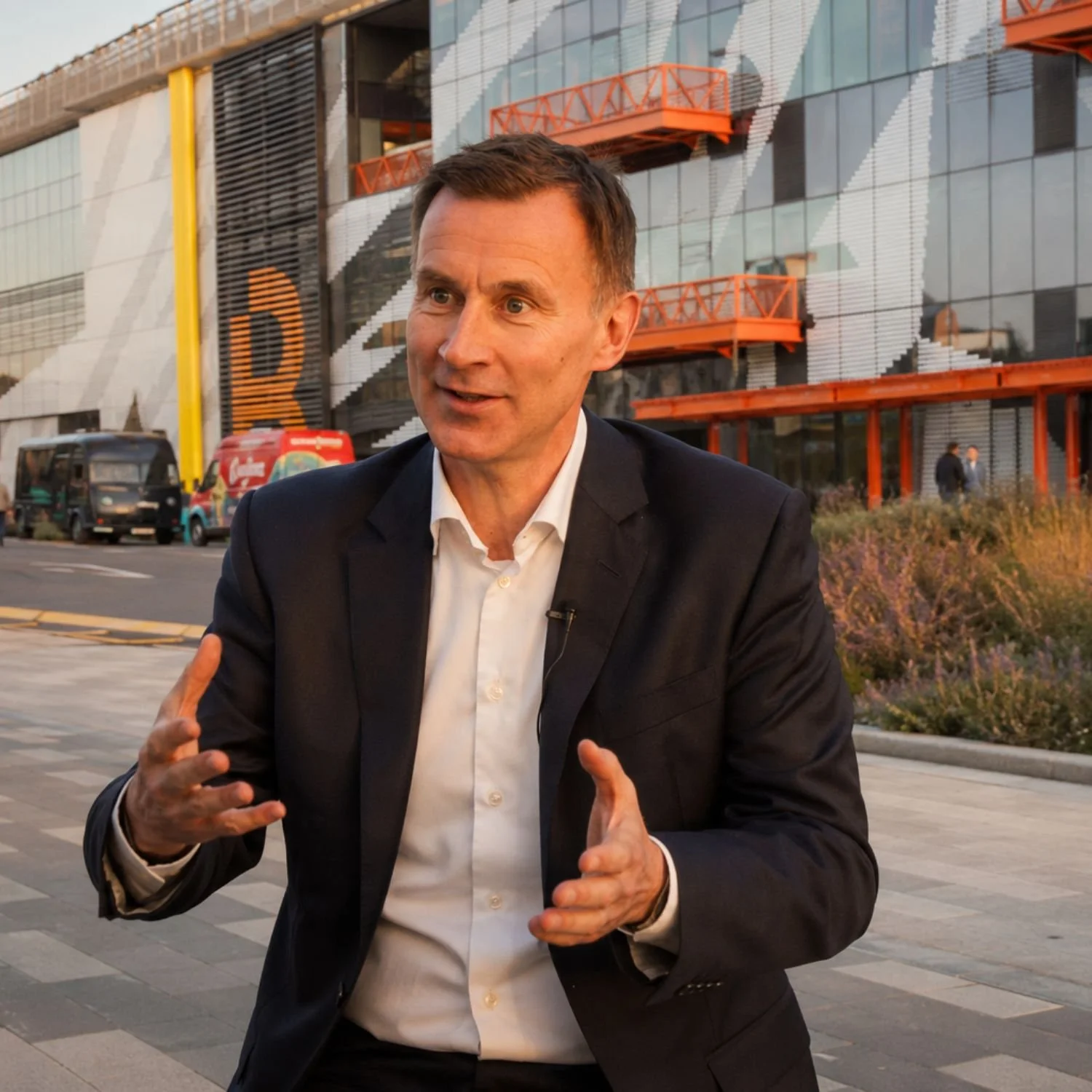
✨ Watch on YouTube or listen on Apple Podcasts or Spotify.
Britain has three of the world's top ten universities and the third largest tech sector outside America and China. So why does it often feel like we're stuck? Jeremy Hunt left office after bringing inflation down and steering the economy out of recession. Now, with a new book and a new Prime Minister about to enter Downing Street, he has some blunt things to say about what it will take to finally unlock the country's potential — and what happens if the moment is wasted.
In this episode, presented in partnership with the Centre for Policy Studies, Marc Sidwell speaks with the former Chancellor about his book Can We Be Rich Again?, which sets out both a diagnosis of Britain's economic inertia and a prescription for breaking it. Hunt is direct about the central challenge facing Andy Burnham: welfare reform is the defining test, and ducking it — as Keir Starmer discovered — doesn't make the problem go away, it simply hands a veto to the backbenches. He argues that political capital drains away like an egg timer, and that the only leaders who leave office proud are those who act boldly in their first weeks, not their last.
In this episode, you’ll learn:
Political capital is perishable — and most leaders waste it. In politics, unlike business, you cannot spend your first year getting your feet under the table. The window for bold reform closes quickly.
Britain's economic potential is genuine, but self-inflicted obstacles are holding it back. From pension funds that invest just four percent of their capital in domestic equities — compared to forty percent in America — to energy costs that are strangling AI infrastructure, the barriers to growth are not mysterious. They are known, fixable, and the result of political choices that can be unmade.
Growth is not one priority among many — it is the prerequisite for all the others. The fundamental mistake of the Starmer government, in Hunt's analysis, was treating economic growth as something to be traded off against the NHS, defence and inequality. In reality, one percent of additional GDP generates ten to twelve billion pounds in tax revenues. You cannot fund the things you care about without first doing the unglamorous work of making the economy grow.
Watch the episode on YouTube below, or listen via your preferred podcast app.
