
Should we prescribe art?
✨ Watch on YouTube or listen on Apple Podcasts or Spotify.
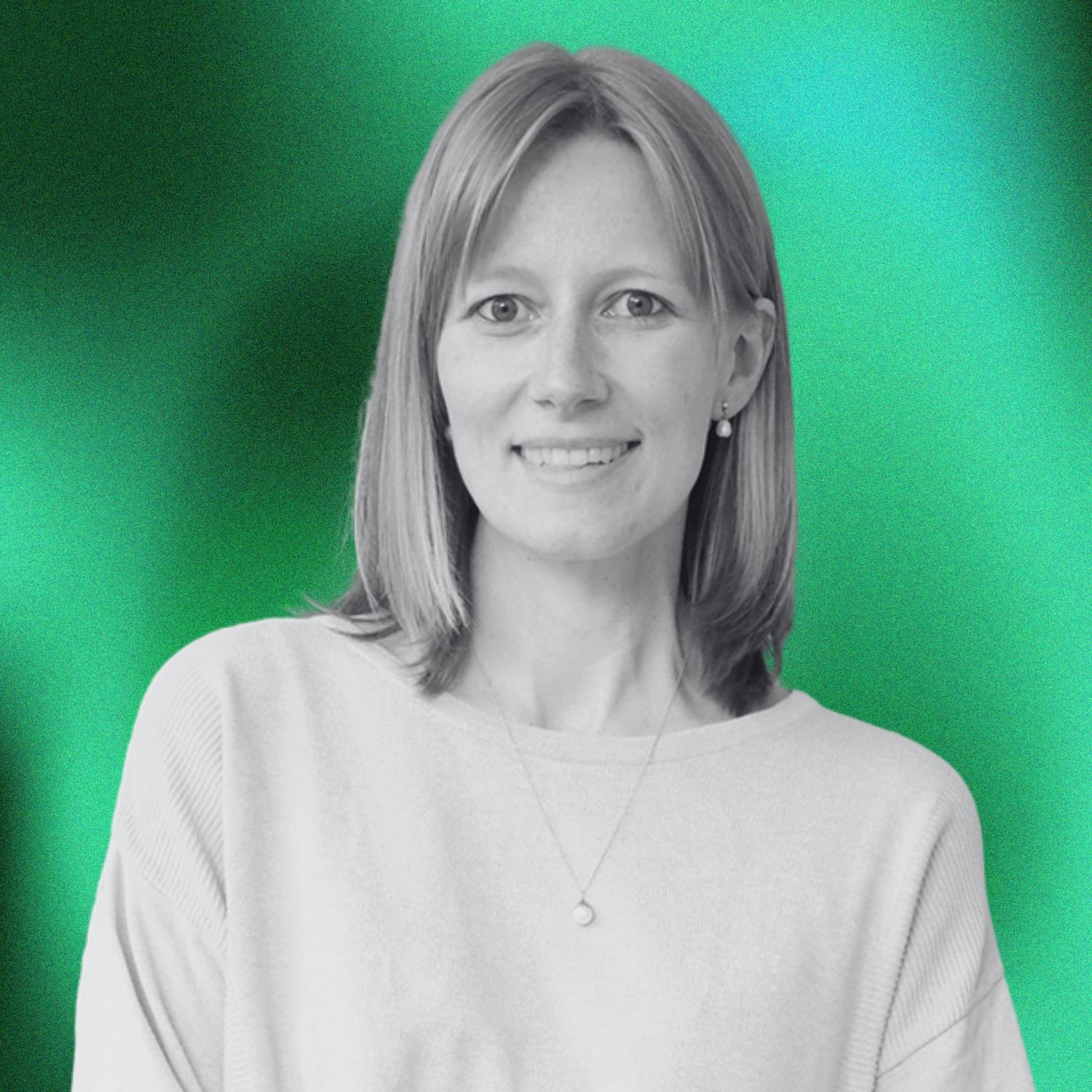
We like to think of the arts as enrichment – something we turn to when there’s spare time. But according to Professor Daisy Fancourt, that framing is historically recent — and biologically wrong.
Speaking with Georgina Godwin at Here East, Daisy explains how the idea of art as leisure emerged in the 19th century alongside the professionalisation of culture and the rise of “art for art’s sake”. Before that, music, storytelling and communal creativity were woven into daily life. Today, we’ve relegated them to the margins — even as the science shows they may be as fundamental to health as diet or exercise.
The evidence was startling enough to inspire Daisy's new book, Art Cure: The Science of How the Arts Transform our Health. Engaging in music activates the same dopaminergic reward pathways as food or sex. Listening to art can lower stress hormones in ways comparable to anti-anxiety medication. Singing can stimulate endogenous opioids that reduce pain. Long-term engagement correlates with slower biological ageing and even longer life. The question, then, is whether we continue to treat creativity as optional — or finally recognise it as essential.
In this episode, you’ll learn:
What happens in the brain when art “acts like a drug” — from dopamine release to pain reduction and stress regulation.
How regular arts engagement may slow biological ageing — including changes in brain connectivity and gene expression.
Why creativity could be treated like a health behaviour — with social prescribing already happening across the health sector.
Watch the episode on YouTube below, or listen via your preferred podcast app.
